
Booked an ATV adventure in Bali, but heavy rain has just passed through the area? You may be wondering whether to continue with your plan, wait for the track to dry, or reschedule. The right answer depends on the conditions at the riding venue—not simply whether the sky has cleared.
After a downpour, some routes may be suitable for guided riding while other sections need to be closed or avoided. Water can remain on the track after the rain stops, and soil may stay slippery for hours. Use this practical checklist to decide what to ask your operator before travelling to the activity location.
Why the Track Can Stay Slippery After Rain
A clear sky does not mean the ground has returned to normal. Clay and fine soil can hold moisture, grass can become slick, and puddles may hide ruts or uneven surfaces. Water also tends to collect in dips and low sections of a track. In shaded jungle areas, the ground may dry more slowly than exposed sections.
These conditions can change the way an ATV accelerates, turns, and brakes. Riders may need to move more slowly, leave more space between vehicles, and follow the guide’s chosen line. The operator should assess the route on the day rather than relying only on how it looked before the rain.
Five Things to Confirm Before You Leave Your Hotel
1. Is the track open and suitable right now?
Contact the operator and ask whether the activity is running as planned after the rainfall. More importantly, ask whether the track has been checked and if any sections are closed. A tour can technically be open while its original route has been changed because of surface conditions.
2. Has the route or ride plan changed?
Some operators may avoid steep slopes, flooded areas, or obstacles that are not suitable in wet conditions. Ask whether the expected ride duration, route, or included features will change. Do not assume that every tunnel, water crossing, or other track feature will be available after heavy rain.
3. What is the wet-weather cancellation policy?
Check whether the provider offers a delay, rescheduling, a route change, or a refund if the operator decides conditions are unsuitable. Policies differ, so read the booking terms before paying. If staff offer an adjustment, ask them to confirm the arrangement in writing.
4. What protective equipment is provided?
Confirm which helmet and other protective equipment are included, and ask about suitable footwear for muddy conditions. Equipment should fit correctly and be used as instructed. If you have concerns about the condition or fit of any item, raise them before the ride begins.
5. Should you change your arrival time?
Do not decide to arrive late without approval. The operator may have scheduled groups, transport, or guide availability. If conditions are being reassessed, ask whether to keep the original arrival time or wait for a confirmed update.
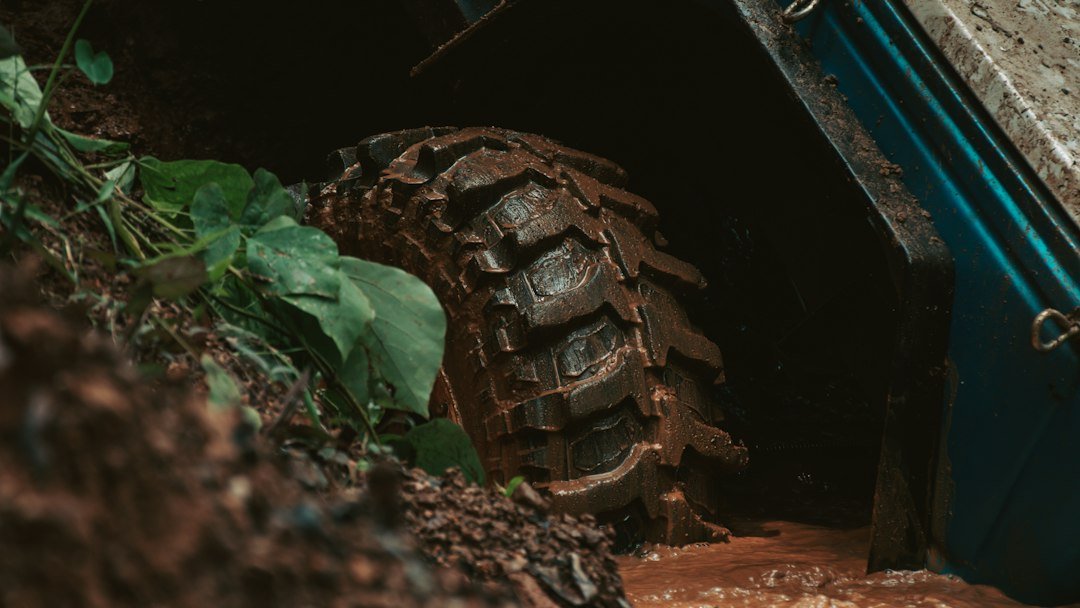
Is an ATV Tour More Difficult After Heavy Rain?
It can be. Wet ground may reduce traction, and puddles can conceal holes, stones, or ruts. A route that feels straightforward in dry weather may require more careful handling after a downpour. That does not mean every wet track is automatically unsafe; the key is whether the operator considers the actual conditions manageable and adjusts the activity appropriately.
Beginners should be especially clear about their experience level. Listen closely to the briefing, keep a safe distance from the rider ahead, and follow the guide’s speed and route instructions. Never try to copy a faster rider or tackle an obstacle that the guide has told you to avoid.
If visibility is poor, water is moving across the track, a section appears flooded, or thunderstorms are nearby, stop and seek instructions. Do not ride into standing or flowing water when its depth, surface, or stability is uncertain. The operator should pause or change the activity if conditions are not suitable.
What Should You Wear and Bring?
Assume your clothes may get dirty even if the rain has stopped. Choose quick-drying clothing you can move comfortably in, and wear closed-toe shoes that meet the venue’s requirements. Bring a spare outfit and a bag for wet items so you can change after the activity.
- A change of clothes and underwear.
- A small towel and a bag for muddy or wet items.
- A waterproof pouch for your phone and valuables.
- Any personal medication or essentials you normally need.
- Sun protection if the weather clears, plus drinking water if advised by the operator.
Ask in advance whether boots, rain gear, lockers, and shower facilities are available. Do not assume these are included in every package. Keep valuables secured and follow the staff’s instructions about what can be carried on the vehicle.
How to Decide Whether to Ride or Reschedule
Use the operator’s latest assessment as the main deciding factor. A short shower followed by improving conditions is different from prolonged heavy rainfall that leaves sections flooded or unstable. A weather app can provide useful context, but it cannot tell you exactly how safe a particular private track is at that moment.
For a wider weather picture, check updates from Indonesia’s Meteorology, Climatology, and Geophysics Agency (BMKG), then contact your ATV provider for a venue-specific decision. If the operator advises that the route is unsuitable, do not pressure staff to proceed simply because you have travelled a long way.
When rescheduling is offered, confirm the new date, any additional cost, transport arrangements, and whether the original payment remains valid. Save the message or booking update so everyone has the same information.
Choosing an ATV Experience Around Ubud
When comparing ATV activities, look beyond promotional photos. Ask about the route, the guide-to-rider arrangement, safety briefing, equipment, transport, and the process for dealing with bad weather. Track features and conditions can change, so clear answers are more useful than a promise that every obstacle will always be available.
If you are considering a jungle route with cave and waterfall features, read our guide to the Kuber ATV Ubud track experience and confirm current operating conditions before booking. You can also explore the available options on Bali Quad ATV Ride. Choose an experience that matches your comfort level, and be prepared for the operator to adjust the plan if the weather changes.
Frequently Asked Questions
Can I ride an ATV immediately after heavy rain?
Possibly, but it depends on the track. Ask the operator whether the route has been checked and whether the current conditions are suitable. Do not rely on clear skies alone.
Will my ATV tour be cancelled if it rains?
Not necessarily. Some tours continue when conditions are manageable, while others may be delayed, changed, or cancelled if the track is unsuitable. Each operator has its own weather policy.
Is a muddy ATV track safe for beginners?
That depends on the surface, route, weather, and the operator’s assessment. Beginners should explain their experience level, follow the briefing, and avoid any section the guide considers unsuitable.
Should I bring a raincoat?
Ask the operator whether rain gear is supplied. A spare change of clothes, towel, and waterproof pouch are useful even after the rain stops because the trail may remain wet and muddy.
What if I reach the venue and the track is closed?
Ask staff to explain the available options under the booking policy, such as waiting, rescheduling, or another arrangement. Keep any agreement in writing and do not enter a closed route.
Final Checklist
Before setting off after heavy rain, get a current update from the operator, confirm whether the route has been assessed, ask about any changes, and understand the wet-weather policy. Bring practical clothing and follow the guide’s instructions throughout the activity.
A good ATV experience is not about forcing a ride to happen in every condition. It is about choosing a suitable route, knowing what to expect, and being flexible when the weather changes. Confirm the details first, then enjoy your Bali adventure when the operator says conditions are appropriate.